
BPA (Business Professionals of America), now upgraded to CBPA (China Business Professional Alliance), is one of the three major business competitions for secondary school students in the United States, alongside DECA and FBLA. Founded in 1966 with nearly 60 years of history, it has received dual official certifications from the U.S. Department of Education and the Career and Technical Student Organizations (CTSO), and has been recommended by the National Association of Secondary School Principals (NASSP). Backed by top-tier industry resources, many Fortune 500 companies including Microsoft, Google, HP, and Hilton continuously provide academic guidance and exclusive resource support for BPA, ensuring its professionalism, value, and recognition remain at the forefront of global secondary school business competitions.
I. Core Definition of BPA Project-Based Division
The BPA Project-Based Division adopts a team-based business pitch evaluation model, focusing on real-world business scenario simulations. Participating teams are required to work around the annual official business theme, simulate different business roles to analyze real business cases, independently complete a full business plan, and finally present their project outcomes through PPT presentations and live speeches to complete the assessment.
II. Three Core Features of the Project-Based Division
1. Project-Based Learning – Produces Standardized Practical Outcomes
The division centers on the production of a business plan. Students systematically organize core modules such as market research, industry analysis, business model, operational planning, and financial forecasting within the official standardized business plan framework, building a complete business logic system. The final deliverables are a 10-minute project pitch video and a complete business plan PPT, all of which can serve as academic background, competition credentials, and application materials.
2. Driven by Real Industry Cases – Aligned with Business Practice
All BPA case studies are derived from current hot real-world industry trends, avoiding virtual or market-detached topics. Participants are expected to benchmark against real entrepreneurs and business analysts, conduct on-the-ground market research, identify core user pain points, and develop actionable business solutions. Through pitch presentations and Q&A sessions, they undergo comprehensive "investor review" to fully develop practical business and presentation skills.
3. Aligned with International Business Curricula – High Cost-Effectiveness
The assessment content of the Project-Based Division is highly aligned with the business knowledge points of major international curricula including A-Level, AP, and IB. The overlap rate with A-Level business assessment logic reaches 88%, and the match rate with AP business exam points is 85%. The preparation process simultaneously reinforces in-class knowledge and deepens curriculum understanding, achieving the integration of competition and learning, significantly improving the efficiency of international business course studies.
III. 2026-2027 Season Project-Based Division Category Selection Guide
This season, the BPA Project-Based Division offers three differentiated categories to suit students of different grade levels, language proficiencies, and competition goals. Each category has distinct positioning, difficulty, and benefits, as detailed below:
ML Chinese Group (Grades 6–9)
Newly established for the 2026 season, this Chinese-language track features relatively lower overall task difficulty and is specifically designed for beginners in business competitions. It is ideal for upper elementary and early middle school students to gain competition experience and become familiar with the business competition process.
Important Note: Teams participating entirely in Chinese will lose eligibility to advance to the Global Finals. The core value of this category lies in providing a zero-barrier introduction to the complete business competition system, accumulating award records, and laying a solid foundation for advancing to higher-level categories in the future.
S-Pre Bilingual Group (Grades 9–12)
Positioned as a dedicated beginner training ground for high school students, this category is more challenging than the ML Chinese Group but less demanding than the advanced English group. It focuses on business model construction and fundamental business logic development, making it suitable for high school students who are interested in business but have average English proficiency.
Important Note: This category also does not qualify for advancement to the Global Finals. Its core advantage lies in removing language barriers, allowing participants to fully experience the entire process of business research, proposal writing, and pitch presentations, making it the best transitional track to advanced English-language competitions.
S-Classic English Group (Grades 9–12)
This is the highest-value category, serving as the only official track for students aiming to apply to top overseas universities and compete for global-level awards. It requires full English proficiency throughout project research, proposal writing, and pitch presentations, with the highest level of task difficulty, professionalism, and overall challenge among the three groups.
Two Major Upgrades for the 2026-2027 Season:
- Free Topic Selection Unlocked: A new free-topic channel has been added, allowing students to break free from the official fixed theme restrictions and independently customize innovative business project topics, fully leveraging personal creativity and research advantages.
- Enhanced Professional Assessment Standards: Clear requirements now mandate the use of KPI indicators and professional business analysis models to support project论证, significantly improving the professionalism and practical business applicability of the competition, with greater recognition of outcomes.
IV. Core Principles for Category Selection (Precise Matching to Avoid Pitfalls)
1. Zero-Background Priority: Choose Lower Difficulty First, Secure Awards Steadily
Younger students, those with zero business background, and beginners with no competition experience should prioritize the ML Chinese Group for a steady start. First, familiarize yourself with the complete business competition process through the Chinese track, accumulate award records, and build a solid business foundation before advancing to more challenging categories.
2. Goal-Oriented: Align Track Selection with Academic Aspirations
If the core goal is to apply to top overseas universities and compete for Global Finals awards, the only option is the S-Classic English Group. Both the ML Chinese Group and S-Pre Bilingual Group do not qualify for Global Finals advancement and are only suitable for domestic experience and building basic credentials.
3. Capability Matching: Choose Based on English Proficiency
Students with weak English foundations who cannot support full English project output should start with the ML Chinese Group. Students with intermediate English proficiency and clear goals of winning awards and applying to top universities should directly aim for the S-Classic English Group to secure high-value competition outcomes.
V. 2026-2027 Season Four Competition Themes
This season's Project-Based Division themes have been comprehensively upgraded, expanding from a single traditional theme to four diverse tracks. All categories (S-Classic, S-Pre, and ML) can freely choose any one theme, catering to students with different interests to深耕 their specialized fields.
Theme 1: AI Native – Artificial Intelligence Business
Focuses on the practical application and commercialization models of generative AI across various industries, aligning with current mainstream technology trends. Optional directions include: market reconstruction of intelligent educational products such as AI error notebooks and spoken language tutors; new business models for AI + human collaborative creation; intelligent upgrade and transformation of game NPCs; and commercial闭环 construction of personalized recommendation algorithms.
Target Audience: Students interested in artificial intelligence, computer technology, data science, and tech entrepreneurship.
Theme 2: Anime Pop Culture Consumption
Grounded in the billion-yuan anime pop culture consumer market, this theme focuses on the business logic of the IP economy and fan economy, drawing on popular sectors such as Genshin Impact, virtual idols, and domestic creative IP. Optional directions include: analysis of the pricing system and market chaos in the merchandise IP周边 market; commercialization paths for virtual idols; globalization strategies for domestic creative IP出海; and the marketing value and implementation logic of cross-brand collaborations in the anime sector.
Target Audience: Students familiar with anime culture and possessing keen insights into IP operations, fan economy, and new media marketing.
Theme 3: Trend Sports Industry
Focuses on the currently booming niche sports and fashion sports消费赛道, exploring the commercial potential of the sports industry, covering popular fields such as camping, frisbee, skiing, surfing, and trendy sneakers. Optional directions include: business promotion logic for popularizing niche outdoor sports; brand transformation strategies for professional sportswear transitioning to daily fashion wear; and hunger marketing and traffic monetization models for trendy sneaker brands.
Target Audience: Students interested in the sports industry, fashion consumption, community operations, and brand marketing.
Theme 4: Free Topic Channel
Opens a personalized track for students with unique ideas, in-depth research, or specialized projects. If the three fixed themes do not match your research direction, you can submit independently innovative business concepts, existing research projects, or specialized entrepreneurial plans through this channel, maximizing personal advantages and project uniqueness.
Target Audience: Students with unique business ideas, in-depth industry research, or independent research projects.
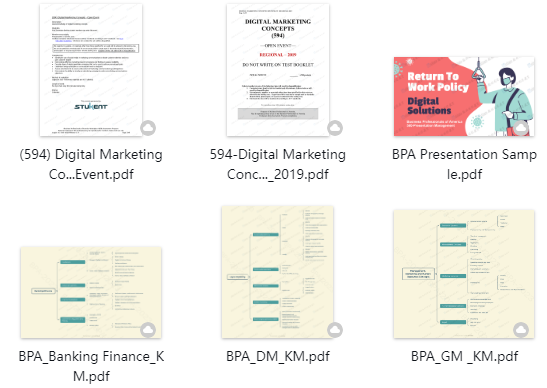
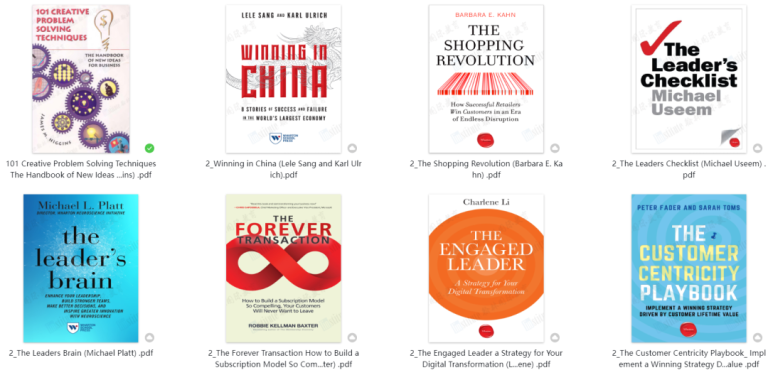
Scan the QR code to get free exclusive CBPA preparation materials & reading list, plus consultation on team formation & customized courses!