
The BPA (Business Professionals of America) competition officially takes place in December. From the perspective of "just completing a participation," starting preparation after school starts in September might still be in time. But from the perspective of "building a truly competitive business project — one that can support your college application and withstand the judges' scrutiny" — the answer is often: not enough.
BPA is never just an on-the-spot presentation, nor is it a competition that can be won simply by writing a PPT and memorizing an English script. An excellent team needs to start from the annual theme and complete market environment analysis, user research, competitor analysis, business strategy, product and pricing, channels and promotion, risk control, and financial forecasting — then compress all that logic into a clear, persuasive business plan and pitch. This is a complete business project pathway. And summer is precisely the best time to start this journey.
I. Why Excellent Teams Do Not Wait Until After School Starts
What a business project needs most is not "rushing," but iteration. A truly high-quality proposal typically goes through the following process:
- You think users need a certain product.
- You conduct interviews, surveys, and competitor research.
- You discover that your initial assumptions are not entirely correct.
- You readjust your target users, core pain points, and solutions.
- You then begin to discuss pricing, customer acquisition, costs, risks, and implementation paths.
This is the process through which real business thinking is formed. If you start looking for teammates, reviewing the competition topics, and determining your direction only in September, many teams quickly fall into a "write as you go, revise as you rush" state: insufficient survey samples, unclear division of labor among members, rigid application of business models, visually appealing PPTs lacking data support — and ultimately, the pitch remains at the level of "I think this idea is good."
II. What Do BPA Judges Really Want to See?
The judges' core questions revolve around the following six points. These answers cannot be pieced together hastily two weeks before the competition:
- What exactly is the problem you have identified?
- Who is willing to pay for this problem to be solved?
- Why have existing solutions not addressed it well?
- What is your differentiated value proposition?
- Where do your costs come from? How is revenue generated?
- Why can this solution be truly implemented?
III. Which Students Need Guidance?
Not everyone needs to enroll in a coaching program, but the following three types of students should seriously consider it:
- Business Beginners: First-time participants who are unclear about how to write a business proposal or deliver a pitch. Coaching can help quickly establish a framework and avoid unnecessary detours.
- Teams Aiming for the Global Finals: The S-Classic group requires full English participation and demands a high level of business analysis professionalism. Competition at the China Station is fierce. With experienced mentors guiding the direction, the probability of advancing increases significantly.
- Teams Stuck in the Team-Formation Phase: Unable to find suitable teammates, or facing uneven skill levels within the team, requiring external professional intervention to coordinate.
IV. What Can BPA Coaching Bring?
What might take you two weeks to figure out on your own can be clarified in just one session with an experienced mentor. Specifically:
- Topic Selection Phase: Mentors help you assess which direction is more likely to yield results, based on the judging preferences and competition intensity across the four major themes.
- Proposal Phase: From business canvas to financial forecasting, mentors point out logical gaps that you might not notice on your own.
- Presentation Phase: PPT layout, speech pacing, and video editing — all critical details that affect scoring.
- Defense Phase: Both the China Station and Global Station include live Q&A sessions. Mock drills significantly reduce nervousness and improve on-the-spot performance.
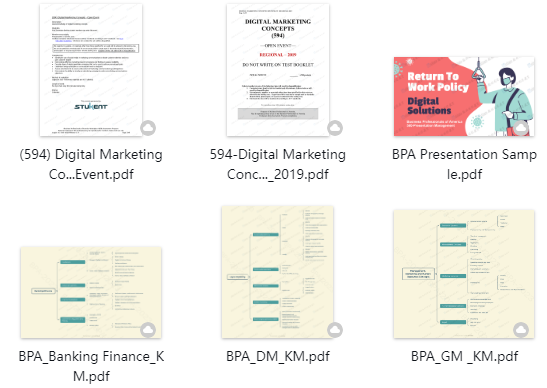
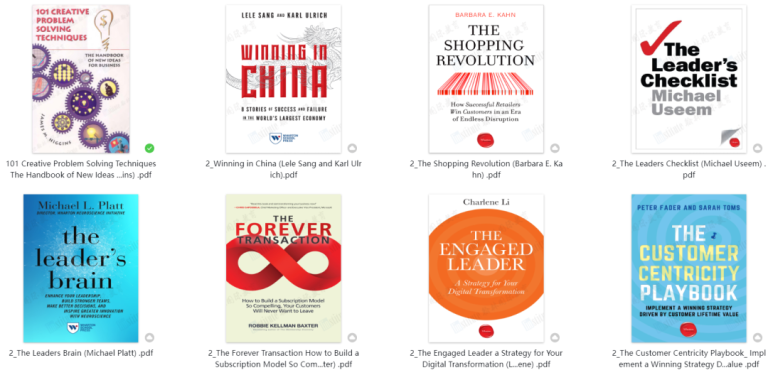
Scan the QR code to get free exclusive CBPA preparation materials & reading list, plus consultation on team formation & customized courses!