
As one of the world's top three business competitions for high school students, CBPA (formerly BPA China) is widely recognized for its academic rigor and strong reputation among top universities, making it a "golden credential" for students applying to elite business schools. With the 2026-2027 season approaching, this guide provides a comprehensive overview of how to register efficiently, understand advancement rules, and build essential business skills.
I. Official Registration Process & Fee Discount Guide
Registration for the 2026-2027 CBPA season is now open. Students must complete registration and payment within the designated period (June 2026 – December 6, 2026).
1. Registration Steps
- Step 1: Register / Log In. Visit the official platform Bloom to create a personal account and complete your profile (returning students can log in directly).
- Step 2: Register & Pay. Select your preferred category (Practical Group or Academic Group) in the system, confirm your information, and complete the online payment.
2. Registration Fee & Multiple Discounts (Stackable)
The base registration fee for the CBPA 2027 Preliminary Round is 648 RMB per person. Multiple discount mechanisms are available — we recommend registering early to reduce costs:
- Early Summer Discount: Register before 23:59 on September 1, 2026 → 100 RMB off per person.
- CBPA Returning User Discount: Register before 23:59 on October 7, 2026 → 100 RMB off per person.
- First Early-Bird Discount: Register before 23:59 on October 11, 2026 → 80 RMB off per person.
- Second Early-Bird Discount: Register before 23:59 on November 15, 2026 → 50 RMB off per person.
- Business & Finance Joint Discount: Register before 23:59 on December 6, 2026 → 100 RMB off per person.
- CBPA Dual-Registration Discount: Register for both Practical Group and Academic Group before 23:59 on December 6, 2026 → 100 RMB off per person.
II. Complete CBPA Competition Timeline & Process
For first-time participants, the full life cycle of a business project can be broken down into the following six core stages:
- Choose Your Category: Select the track that best fits your grade level, language ability, and target university.
- Form Your Team: The Practical Group typically requires 3–4 members. Teammates can be flexibly matched across schools and regions.
- Define Your Business Theme: Study the official annual business case, or choose a free topic that complies with the rules.
- Conduct Market Research: Perform industry analysis, user research, and data collection. Use tools like SWOT to design your business model.
- Complete the Business Proposal: Synthesize all research findings into a logically rigorous, data-driven business plan (PPT).
- Pitch Presentation: Present your proposal to judges via a 10-minute video or live presentation, followed by a Q&A session.
III. Tiered Advancement System & Rules Explained
CBPA follows a three-level progression: Preliminary Round → China Station → Global Station, offering multiple advancement pathways for students at different levels.
Preliminary Round → China Station Advancement
- Direct Advancement: Top 20% of individuals or teams in each region.
- Second-Round Advancement: Top 20% of individuals or teams nationwide among those not directly advanced.
- Wildcard (Direct Pass): Schools with sufficient participant numbers receive advancement slots at a 3:1 ratio.
- Waitlist: Students who do not qualify may submit a Motivation Letter to apply for waitlist spots.
China Station → Global Station Advancement
- First-Tier Advancement: Teams receiving Gold honors at China Station advance directly.
- Second-Tier Advancement: Teams receiving Silver honors at China Station are eligible for advancement.
- Third-Tier Advancement: Teams receiving Bronze honors with direct advancement eligibility may advance.
- Waitlist Advancement: Teams without direct advancement eligibility may apply for waitlist spots.
IV. Five Core Skills for International Students Competing in CBPA
To stand out in the competitive CBPA arena, participants should develop the following comprehensive business capabilities:
- Fundamental Business Knowledge: A solid grasp of core subjects including marketing, management, economics, finance, and accounting. Understand the underlying logic of business operations and decision-making.
- Business Analytical Skills: Proficiency in professional analytical frameworks such as SWOT, PEST, and Porter's Five Forces. Identify business pain points with insight and propose logical, actionable solutions.
- Data Analysis Skills: Master basic data processing, market data analysis, and visual presentation. Use real data to support your business proposal and significantly enhance its persuasiveness.
- Business Presentation Skills: Develop strong abilities in English public speaking, PPT creation, project reporting, and live Q&A. Confidently and clearly communicate complex business ideas to judges.
- Team Collaboration & Leadership: Effectively coordinate team members, delegate tasks, and drive the project forward with shared goals and mutual accountability.
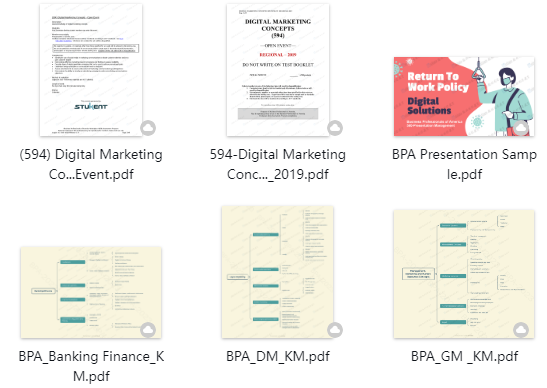
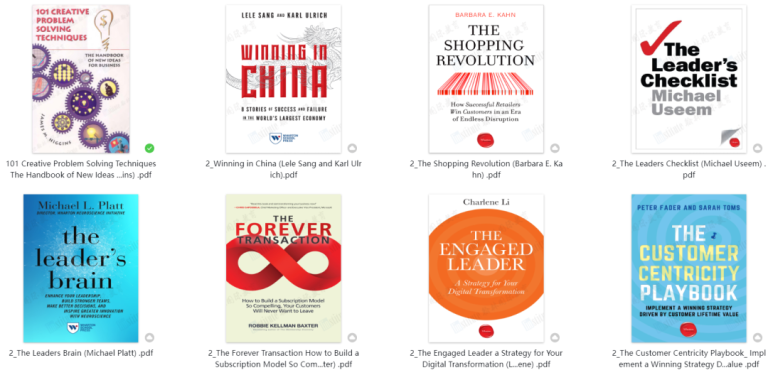
Scan the QR code to get free exclusive CBPA preparation materials & reading list, plus consultation on team formation & customized courses!